If your couch has started growing its own fur coat, spring has probably arrived. The days are getting longer and many cats are busy getting rid of their winter undercoat. It ends up on your clothes, the car seat and, now and then, in your coffee.
Shedding in spring is normal. A little help from you keeps your cat more comfortable, cuts down on hairballs and makes the house a bit less furry.
1. Why cats shed more in spring
Cats lose some hair all year round. The big seasonal changes are driven mainly by day length. As the days get longer, hormonal signals tell the hair follicles that the thick winter undercoat is no longer needed, and it starts to come out.
In New Zealand that usually means a heavier moult from around September into early summer, and a lighter one in autumn as the winter coat grows back. Cats that spend most of their time indoors, with artificial light and steady heating, often shed more evenly through the year, so their spring moult may be less obvious.
2. How much shedding is normal?
There is no exact amount. A longhaired cat with a dense double coat will leave far more behind than a sleek shorthair. The pattern tells you more than the quantity. Normal seasonal shedding usually looks like this:
- the coat stays full and even, just lighter
- the skin underneath is clean, not red, flaky or scabby
- your cat isn't scratching, licking or chewing more than usual
- loose hair comes out with a brush rather than falling out in patches
3. Brush little and often
Brushing removes loose hair before your cat swallows it or you sit on it. International Cat Care suggests grooming shorthaired cats at least weekly and longhaired cats daily. During the spring moult, most shorthairs benefit from a few extra sessions too.
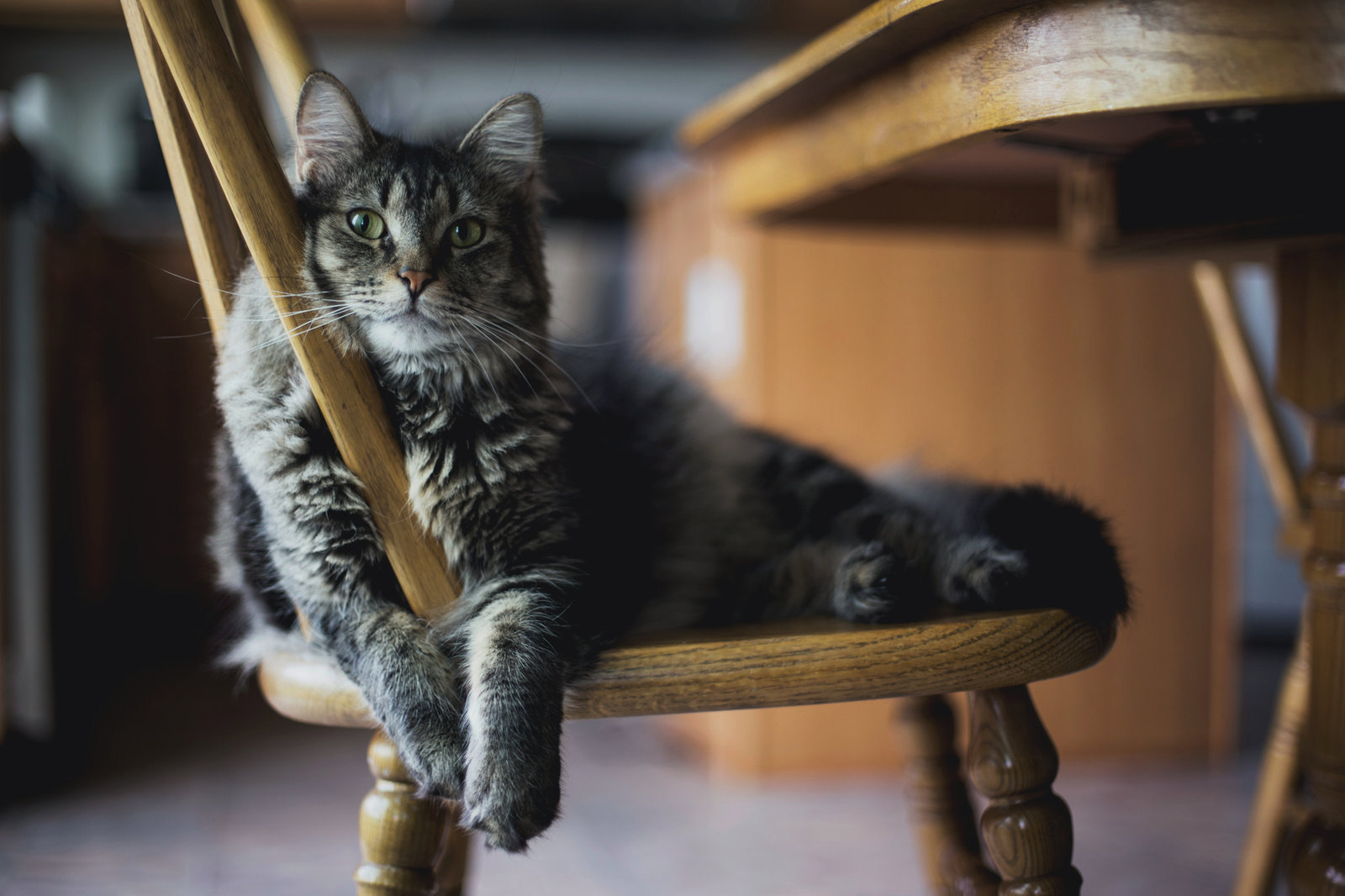
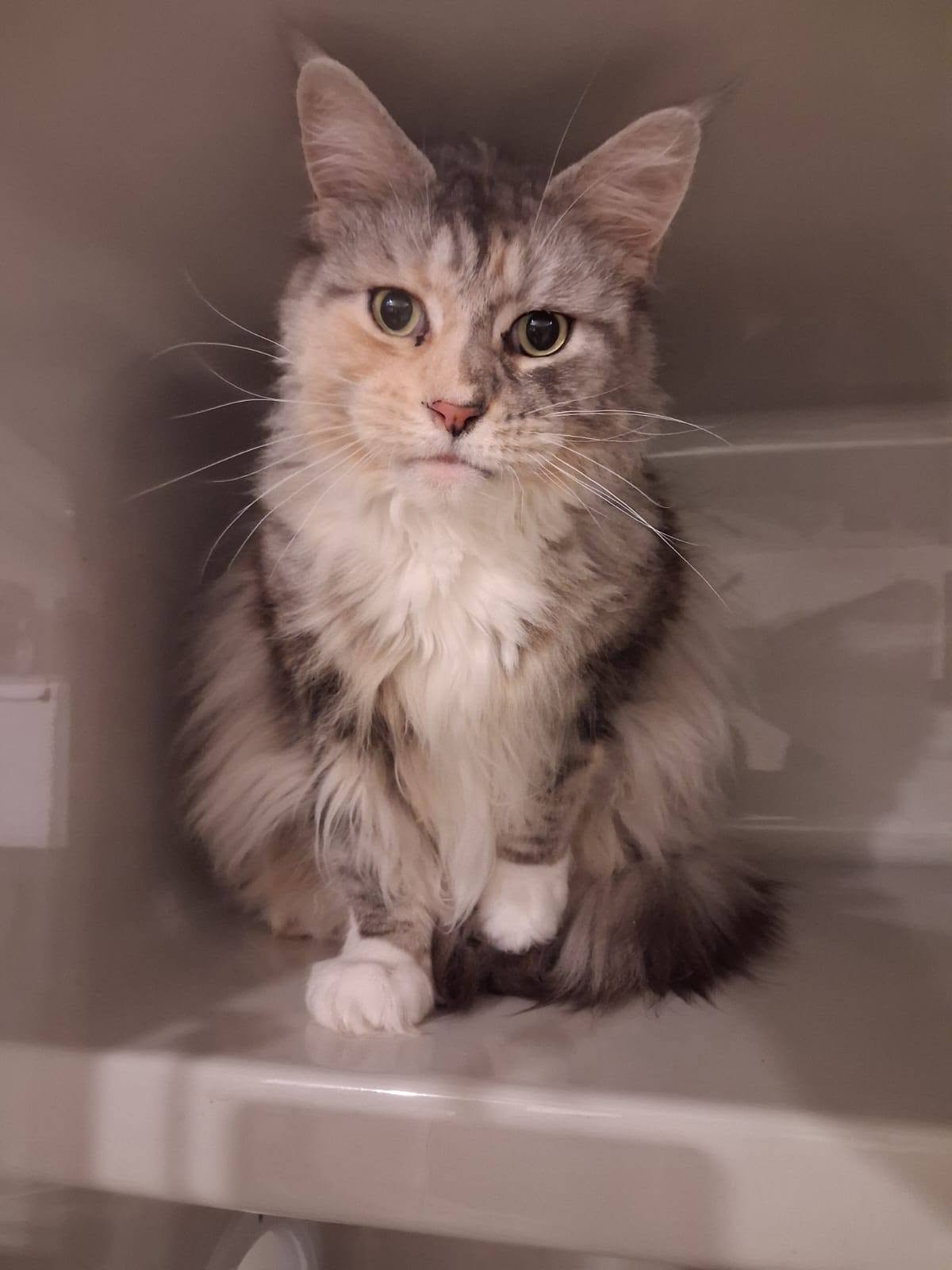
A rubber grooming mitt or soft bristle brush suits most short coats. For longer coats, start with a wide-toothed comb and pay attention to the spots where mats form first: behind the ears, under the front legs, the belly and the fluffy “trousers” on the back legs.
Deshedding tools can pull out an impressive amount of undercoat. Use them gently, though. Pressing hard or going over the same spot again and again can irritate the skin. For more on everyday coat care, see our guide to cat care techniques.
4. Keep grooming sessions short and pleasant
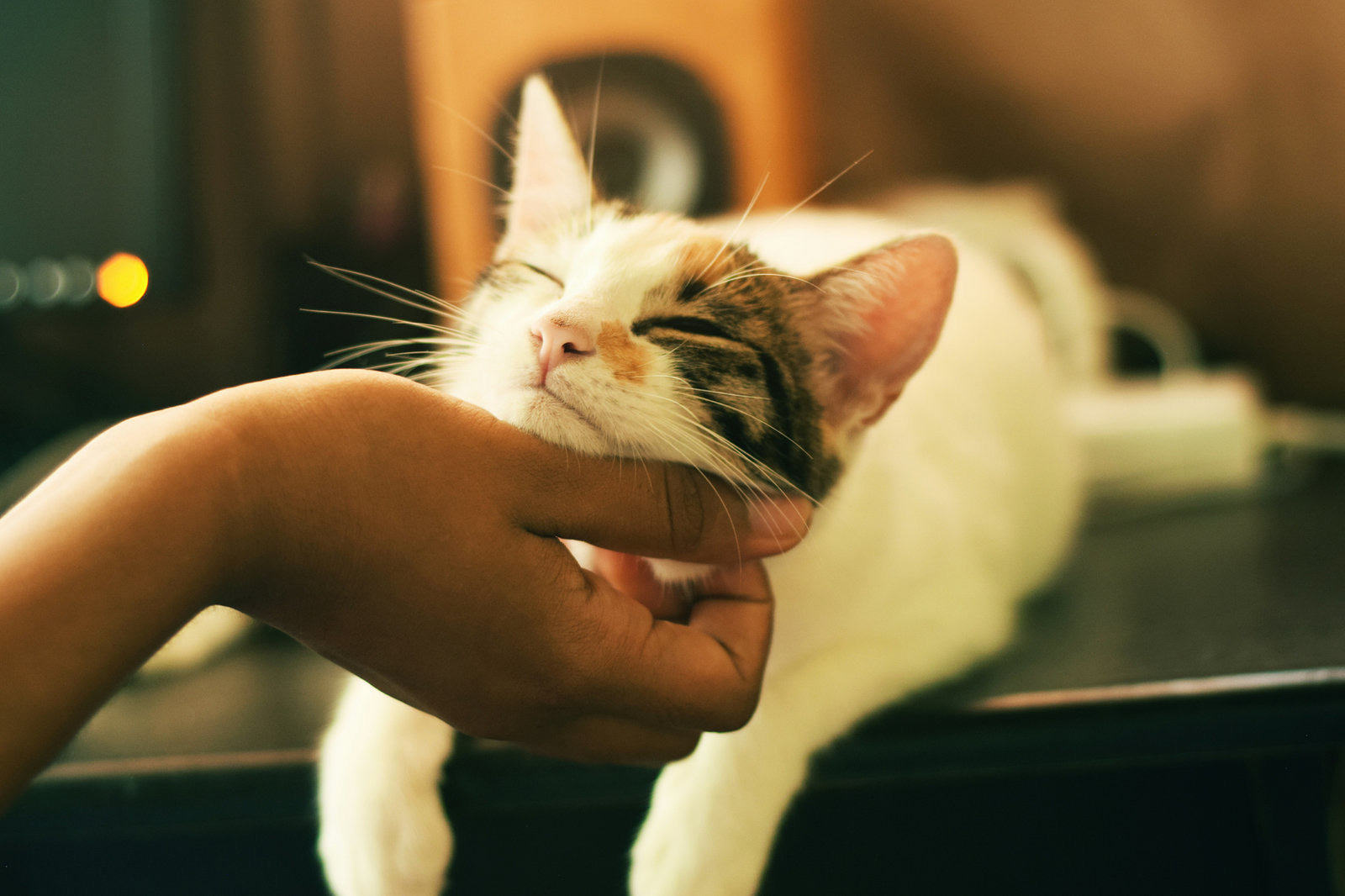
Many cats enjoy being brushed around the cheeks and chin, and are much less keen on their belly and back legs. Start with the easy spots, keep sessions short, and finish before your cat has had enough. A treat at the end helps.
Signs it is time to stop include a swishing or thumping tail, twitching skin along the back, flattened ears, turning to look at the brush, or a low growl. A few calm minutes most days works far better than one big wrestling match on a Sunday afternoon.
5. Mats need patience, not scissors
If you find a small mat, try teasing it apart with your fingers or the end of a comb. Please don't cut mats out with scissors. A cat's skin is thin and gets pulled up into the mat, so it is very easy to cut the skin by accident.
Large or tight mats are a job for a professional groomer or your vet, who can clip them out safely.
6. Hairballs during the moult
Cats swallow a lot of hair when they groom themselves, and more of it while they are shedding. Most of it passes through, but some comes back up as a hairball. These are usually long and sausage-shaped rather than round.
Regular brushing is the simplest way to reduce them. An occasional hairball is common. Talk to your vet if your cat vomits often, retches without bringing anything up, stops eating or seems flat and lethargic. The Cornell Feline Health Center notes that a large hairball can occasionally cause a blockage. Frequent vomiting can also have plenty of other causes.
7. When it is more than the season
A spring brushing session is also a good moment for a quick check. Keep an eye out for:
- bald patches or thin, broken hairs
- red, scabby or flaky skin
- constant scratching, licking or chewing at the coat
- flea dirt: tiny black specks that turn reddish-brown on damp white paper
- a greasy, dull or unkempt coat, which can mean a cat isn't grooming properly
Fleas become more active as the weather warms up, so a fine flea comb is a useful extra, along with regular parasite prevention. Any of the signs above are worth a chat with your vet. Excessive licking in particular can have many causes, from skin allergies to stress or pain, so it is best not to guess.
8. Food and water matter too
A healthy coat starts on the inside. A complete and balanced diet provides the protein, fatty acids and vitamins the skin and hair need, and fresh water should always be available. You can read more in our article on cat nutrition. If the coat looks poor despite good food, ask your vet before adding supplements.
A season, not a problem
A moulting cat doesn't need fixing. It is simply a coat changing with the season. A few minutes of brushing, a lint roller by the door and an eye on the skin underneath will see most cats comfortably through spring.
If your cat is staying with us this spring, mention anything about their coat or grooming routine in the comments on our booking form, so we know what is normal for them.